In 60 days, I install the training infrastructure that turns average new hires into above-average performers. Role scorecards, a real curriculum, SOPs, and the values system that protects the business from day one. You keep hiring. I build the machine that makes the hires work.
It's not that the people are getting worse. It's that the business hasn't documented what the good ones figured out on their own. So every new hire relearns the same lessons, the owner or the top performer becomes the de facto training program, and nothing scales.
You keep looking for "A-players" because your system only works with A-players. Your best people can't take a vacation without things slipping. Training is whoever is next to the new hire that week. Nobody writes anything down because "that's how we've always done it."
You can't promote from within because nobody knows how to train a replacement. And you can't hire ahead of demand because every new body is a drain on the people who already know what they're doing.
Michael Gerber called it the franchise prototype — the idea that a business should run the same way whether it's you behind the counter or someone you hired last month. That means documented roles, scripted training, clear measurement, and real rules — not heroics.
One-page scorecards for every seat in the business: mission, outcomes, competencies, weekly metrics. The document every hire reads before their first day. Most small businesses don't have this — which is why the first week of every new hire is someone else guessing what to give them.
A written, sequenced path from hired to independently productive for every role. Usually 30, 60, and 90-day milestones with shadowing windows, SOP reviews, and measurable checkpoints. The test: could someone else use this to onboard the next hire without you in the room?
The five to fifteen processes your business actually runs on, written down so a new hire can follow them without interrupting a senior team member. Documented the way your team actually works — not the way the software vendor wishes they worked.
Five behavioral rules — drawn from the failure modes you've personally seen — that every new hire learns on day one. Not aspirational values. Rules that protect the business from the mistakes you've already lived through.
The system does the heavy lifting, not the individual. A structured 60-day engagement with real deliverables and a clear end state.
Every seat in the business gets a written scorecard: what the role is responsible for, what good looks like, what the weekly metrics are, who the role answers to. Most small businesses don't have this, which is why the first week of every new hire is someone else guessing what to give them.
A structured, repeatable path from "hired" to "independently productive" for every role. Usually a mix of written SOPs, shadowing windows, and measurable milestones. The test: could someone else use this to onboard the next hire without you in the room?
A weekly rhythm where every hire sees the same three-to-five metrics about their own performance. Self-correction replaces manager correction. The best employees push themselves; the weak ones show up in the data before they show up in a customer complaint.
DVD Your Memories was a multi-location consumer services business before it was anything else. That meant hiring real people, training them to do careful hands-on work, and keeping consistency across four locations in two states. We ended up with a 4.8-star Yelp average across 600+ reviews — not because we hired superheroes, but because the system made ordinary people produce consistently good work.
Every hire went through the same curriculum. Every location ran from the same Store Opener manual. Every week every manager saw the same scorecard. The buyer who acquired the business told me they chose it because it actually worked without me — and the reason it worked without me was the training infrastructure, not anything I was doing in the room.
That's what I install for clients: not a philosophy of hiring, a working training machine.
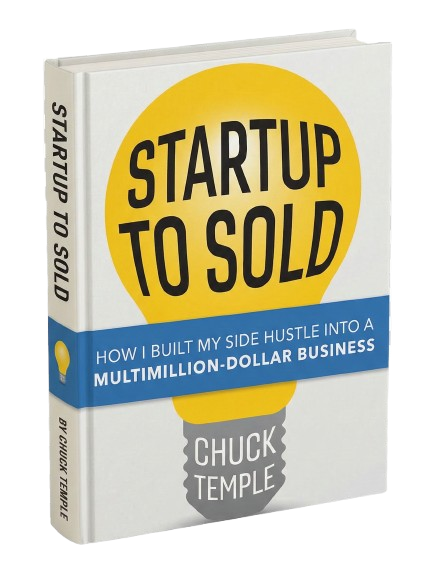
The full story of building DVD Your Memories from a college side project into a multi-location, multi-million dollar company and then selling it.
Get the book on AmazonI take on three clients at a time. If your next hire is coming and the system isn't ready, let's talk now.